

maria casino free spins – populäraste bonusarna just nu 2026
maria casino free spins är ett ständigt aktuellt ämne, och med nya erbjudanden som lanseras varje vecka kan det vara svårt att hålla sig uppdaterad. Denna artikel ger dig en samlad bild av nuläget och vad som komma skall. Genom att läsa vidare får du insikt i hur marknaden fungerar. Ett tips är att alltid kontrollera hur maria casino free spins dagligen är definierat, eftersom det kan skilja sig åt mellan olika sajter.
yggdrasil casino — spelleverantörer | yggdrasil casino
See also:
- Varför maria casino free spins dagligen är värt att känna till
- Bonusar och kampanjer hos maria casino i korthet
- Varför är maria casino free spins dagligen så populärt just nu?
- maria casino free spins bästa: Så gör du för att få bonusen
- maria casino i korthet
- Skärmdump av maria casinos bonus- och kampanjsida
- Så fungerar maria casino free spins många: svar på vanliga frågor
- Tips för ansvarsfullt spelande på maria casino
Varför maria casino free spins dagligen är värt att känna till
Cashback is a financial incentive that rewards consumers with a percentage of their purchase amount returned to them, either as a direct deposit, a credit to their account, or a rebate check. This mechanism has become ubiquitous in modern commerce, appearing in credit card rewards, online shopping portals, mobile apps, and in-store promotions. The core appeal of cashback lies in its simplicity and tangibility: unlike points or miles that require complex redemption processes, cashback provides straightforward monetary value that can be used for any purpose. For consumers, cashback effectively reduces the net cost of goods and services, making it a powerful tool for budgeting and savings. For businesses, offering cashback serves as a customer acquisition and retention strategy, encouraging repeat purchases and fostering brand loyalty. The concept traces its roots to the early days of credit card rewards, where card issuers offered a small percentage of spending back to cardholders to differentiate their products in a competitive market. Over time, cashback has evolved to encompass a wide range of formats, including flat-rate cashback, tiered cashback based on spending categories, and rotating bonus categories that change quarterly. Online cashback portals have further expanded the ecosystem by partnering with thousands of retailers to offer cashback on top of existing sales and discounts, creating a win-win situation for shoppers and merchants alike. The rise of fintech has introduced innovative cashback models, such as round-up savings, where spare change from purchases is automatically invested or saved, and instant cashback, where rewards are credited immediately at the point of sale. Additionally, some apps offer cashback for specific actions like scanning receipts, taking surveys, or watching promotional videos, thereby gamifying the shopping experience. From a psychological perspective, cashback leverages the principle of perceived value and loss aversion, as consumers feel they are ‘winning back’ money that would otherwise be spent. However, critics argue that cashback can encourage overspending, as the reward may be seen as a justification for unnecessary purchases. Despite this, the popularity of cashback continues to grow, with studies showing that a significant majority of consumers prefer cashback over other types of rewards. In the realm of personal finance, savvy shoppers strategically combine multiple cashback sources—such as using a cashback credit card through a cashback portal during a sale event—to maximize their total savings, sometimes achieving effective discounts of 10% or more. Businesses also leverage cashback for promotional campaigns, offering limited-time elevated rates to drive traffic and clear inventory. Moreover, cashback programs are increasingly integrated into digital wallets and payment apps, enabling seamless redemption and real-time tracking. The data generated from cashback transactions provides valuable insights into consumer behavior, allowing companies to tailor offers and personalize marketing efforts. As e-commerce continues to expand, cashback has become a key differentiator in a saturated market, with new players constantly entering the space to capture market share. Furthermore, cashback is not limited to consumer purchases; it also applies to business expenses, travel bookings, and even utility bills, broadening its applicability. In some countries, cashback is offered on government services and taxes, though this is less common. The environmental impact of cashback is relatively neutral, as it primarily operates in the digital realm, though printed rebate forms and checks still exist. To sum up, cashback is a multifaceted financial tool that benefits consumers, retailers, and financial institutions, and its ongoing evolution promises even more integrated and rewarding experiences in the future. Whether you are a frugal shopper looking to stretch your budget or a business aiming to boost sales, understanding the nuances of cashback can lead to significant financial advantages. As technology advances, we can anticipate more personalized and instant cashback offers, possibly integrated with artificial intelligence to predict purchasing habits and offer proactive rewards. Ultimately, cashback represents a shift towards a more transparent and value-driven consumer economy, where every transaction has the potential to return a little something extra. It is not merely a marketing gimmick but a fundamental component of modern financial ecosystems, influencing how people shop, save, and interact with brands. Therefore, staying informed about the latest cashback trends and strategies is essential for anyone looking to make the most of their spending.
Bonusar och kampanjer hos maria casino i korthet
- kr250 + 500 gratissnurr
- 150 gratissnurr utan insättning
- 75% upp till kr750 och 150 gratissnurr
- 40x omsättningskrav
- 45x genomspelning av bonusen
Varför är maria casino free spins dagligen så populärt just nu?
Bonus abuse refers to the deliberate exploitation of promotional offers, bonuses, or rewards programs by individuals or groups to gain an unfair advantage, often at the expense of the issuing company or platform. This practice is prevalent in online gambling, sports betting, financial trading, and e-commerce, where bonuses are used as customer acquisition and retention tools. The abuser typically creates multiple accounts, uses false identities, or employs sophisticated software to bypass eligibility criteria, thereby collecting bonuses multiple times when only one per person is intended. In online casinos, bonus abuse often involves wagering requirements exploitation, where a player identifies low-risk bets that can fulfill playthrough conditions without incurring significant losses, guaranteeing a profit from the bonus funds. For instance, a casino might offer a 100% match bonus up to $200 with a 30x wagering requirement; an abuser might deposit $200, receive $400 total, and then place high-stakes bets on nearly even-money outcomes (like red/black in roulette) to minimize variance, effectively extracting the bonus with minimal risk. The abuser might also employ a strategy known as ‘low-risk betting’ by placing bets on both outcomes of a sporting event or using arbitrage opportunities across different bookmakers to ensure a profit regardless of the outcome. In some cases, abusers use automated bots to place thousands of bets within seconds, taking advantage of timing loopholes in the bonus crediting process. Sports betting bonus abuse is similarly rampant, with ‘matched betting’ being a common technique. Here, an abuser uses free bets or deposit bonuses to place opposing bets on different bookmakers, covering all possible outcomes of an event, ensuring a risk-free profit. For example, if a bookmaker offers a $50 free bet on a tennis match, the abuser places a bet on Player A with that free bet and simultaneously places a counter-bet on Player B at another exchange, locking in a guaranteed return regardless of the result. The abuser might also use multiple accounts to claim the same free bet offer repeatedly, using different payment methods and IP addresses to avoid detection. Financial trading platforms face bonus abuse when clients use welcome bonuses to open multiple accounts across different brokers, leveraging the free capital to trade high-risk instruments without personal exposure, and then withdraw profits while abandoning accounts that incur losses. This practice is often facilitated by using virtual private servers (VPS) to manage multiple accounts from a single location, making it difficult for brokers to identify the true identity of the trader. In e-commerce, bonus abuse manifests as ‘coupon stacking’ or ‘promo code sharing,’ where users exploit system loopholes to apply multiple discounts or use referral bonuses for themselves by creating fake referrals. Retailers often suffer from ‘return abuse,’ where customers buy items using promotional discounts, then return them at full price or use the discount on multiple purchases beyond stated limits. Some e-commerce abusers use automated scripts to generate hundreds of fake email accounts to sign up for new-customer discounts, thereby receiving multiple promotional codes without making any legitimate purchases. The motivations behind bonus abuse range from individual opportunism to organized syndicates that systematically target vulnerable programs, using VPNs, proxy servers, and device fingerprinting evasion to mask their activities. These syndicates often operate as ‘bonus abuse rings,’ where members share information about new promotions, loopholes, and detection evasion techniques in private online communities. The financial impact on businesses is substantial: casinos report that bonus abuse can account for up to 10-20% of all bonus costs, while sportsbooks lose millions annually to matched bettors. Beyond direct financial losses, bonus abuse distorts customer data, inflates engagement metrics, and forces companies to tighten terms, which penalizes legitimate users with stricter verification and lower bonus values. For example, a casino might reduce its welcome bonus from 100% to 50% or increase wagering requirements from 30x to 50x, directly impacting the value proposition for genuine players. Detection methods include tracking IP addresses, device IDs, payment method patterns, and behavioral analytics that flag unusual betting or purchasing patterns. For example, a user who consistently bets the minimum on both outcomes of a game or who deposits and withdraws within minutes of receiving a bonus is likely an abuser. Companies also employ third-party fraud detection services that maintain shared blacklists of known abusers across multiple platforms, allowing them to block repeat offenders before they cause further damage. Legal recourse is limited, as bonus abuse is often not illegal per se but violates terms of service, leading to account closure and forfeiture of funds. However, in severe cases involving identity theft or organized fraud, criminal charges may apply, and some jurisdictions have begun to treat bonus abuse as a form of fraud when it involves deceptive practices. To mitigate bonus abuse, businesses implement robust KYC (Know Your Customer) procedures, limit bonus redemptions per household, impose maximum bet sizes during wagering, and exclude certain game types from bonus play. They also use AI-driven anomaly detection that compares user behavior against baseline profiles, flagging deviations that suggest automated or coordinated activity. For instance, a sudden spike in sign-ups from the same IP range or a high percentage of users who never deposit after claiming a no-deposit bonus triggers alerts. Despite these measures, the arms race between abusers and operators continues, with abusers constantly devising new methods like using ‘bonus hunters’ who share information on loopholes in online forums and Telegram groups. Some even use ‘bonus abuse as a service,’ selling guides or automated tools that exploit specific promotions, often for a percentage of the profits. The ethical dimension is ambiguous: some argue that if a company offers a bonus without clear terms, exploiting it is fair game, while others view it as theft. Regardless, the practice forces companies to adopt a ‘trust but verify’ approach, balancing the need to attract customers with the necessity of protecting margins. In conclusion, bonus abuse is a pervasive, multifaceted problem that requires continuous vigilance and adaptation from businesses.
maria casino free spins bästa: Så gör du för att få bonusen
maria casino i korthet
| Feature | Details |
|---|---|
| Player win | V.E. won 250 in January |
| Popular slot | Wolf Gold with big wins |
| Languages | SV, EN, FI, NO |
| Player win | K.L. won 300 in April 2025 |
| Spel från | Mega Moolah och fler |
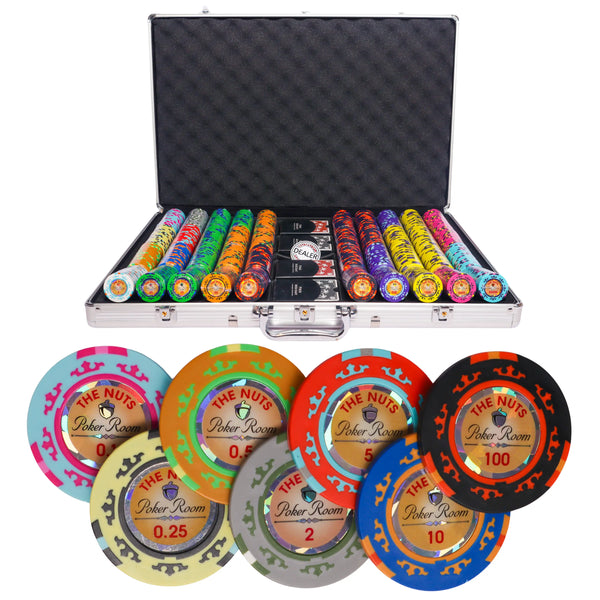
Skärmdump av maria casinos bonus- och kampanjsida
Så fungerar maria casino free spins många: svar på vanliga frågor
Vad är välkomstbonusen hos maria casino?
maria casino erbjuder en generös välkomstbonus för nya spelare, vanligtvis inklusive både bonuspengar och free spins. Detaljerna kan variera, så kontrollera kampanjsidan för aktuella villkor.
Krävs en insättning för att få bonusen?
Ja, de flesta välkomstbonusar kräver en minsta insättning på kr5 för att aktiveras. Det finns också ibland no-deposit-erbjudanden, men de är mindre vanliga.
Vilka omsättningskrav gäller för bonusen?
Omsättningskravet för bonusen är 35x omsättningskrav på bonusbeloppet gånger bonusbeloppet innan du kan ta ut vinster. Free spins har ofta separata omsättningskrav, så läs villkoren noggrant.
Finns det ett lojalitetsprogram eller VIP-klubb?
Ja, maria casino har ett lojalitetsprogram där du tjänar poäng för varje spel. Poängen kan växlas till bonusar, cashback och andra förmåner, och högre nivåer ger bättre belöningar.
Kan jag få cashback på förluster?
Ja, maria casino erbjuder ibland cashback-kampanjer där du får tillbaka en procentandel av dina nettoförluster under en viss period. Dessa erbjudanden kan vara tidsbegränsade, så håll utkik på kampanjsidan.
Den bästa strategin för maria casino free spins inkluderar att jämföra olika erbjudanden.
Tips för ansvarsfullt spelande på maria casino
Spela ansvarsfullt – maria casino vill att du har roligt på ett säkert sätt. Spel är endast för personer över 18 år, och vi uppmuntrar dig att sätta insättnings- och tidsgränser för att hålla spelet på en underhållningsnivå. Kom ihåg att aldrig jaga förluster. Spelinspektionen är den svenska tillsynsmyndigheten som reglerar marknaden, och du kan självexkludera dig via Spelpaus.se, den nationella självavstängningstjänsten. Behöver du stöd eller rådgivning, kontakta Stödlinjen på 020-81 91 00 – de finns där för dig om spelandet känns problematiskt. Spela medvetet och ta hand om dig själv.
